


When I first started exploring online casinos in Belgium, I thought responsible gambling was mostly about setting deposit limits. I soon realized a much simpler habit can matter more: the reality check. This is the time you pause, look at your activity with a clear mind, and decide if you are still playing for fun or going after something else. At lees het volledige artikel, I noticed that reality checks are not meant to punish players. They are helpful reminders that enable you stay in control. This guide details how I use them and how any beginner can do the same.
Establishing a Personal Reality Check Routine
I now treat reality checks as component of my pre-game ritual. Before I enter to AlaWin Casino, I configure a time reminder and validate my loss limit. I also determine what I will do when the reminder arrives: stretch, make tea, or close the game. This removes the pressure of forming a decision in the heat of the moment. Over time, the ritual has turned into automatic. A reality check is no longer an alarm that startles me; it is a scheduled pause I anticipate. That expectation is exactly what prevents my sessions from drifting into hours I did not plan to spend.
The best routine is the one you can maintain without sensing deprived. I suggest starting small: pick one reality check for time and one for deposits. After two weeks, evaluate whether those settings performed. Adjust them based on your actual behaviour, not your intentions. In Belgium, where online play is easy to access and widely embraced, this kind of self-review is particularly helpful. It turns responsible gaming from a vague idea into a practical habit. I have discovered that the players who benefit most are those who treat reality checks as part of the experience, not as an interruption to it. That change in mindset is the real starting point.
Why Reality Checks Matter for Players in Belgium
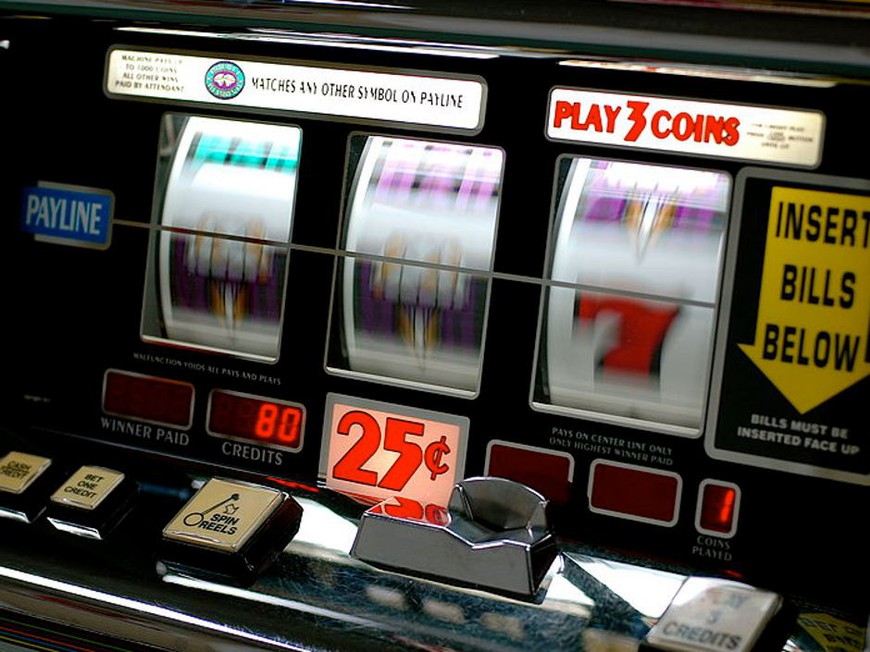
Belgium has a specific gambling landscape. Many players access licensed platforms, and there is a significant emphasis on legal, controlled environments. For Belgian players, a reality check can be exceptionally valuable because local payment methods https://www.rtl.nl/nieuws/nederland/artikel/1947881/hoe-zit-het-met-de-liefdadigheid-van-goede-doelen-loterijen and mobile gambling make it effortless to lose track of time. I’ve noticed that when I play on my phone in the evening, one session can flow into the next without a natural break. A reality check disrupts that smooth, uninterrupted flow. It restores a boundary that the digital experience tends to erase. This is not about judging anyone; it is about realizing that the convenience of online play requires a new kind of self-discipline.
Reality checks also are important here because Belgian players often balance multiple forms of betting, from sports wagers to casino games. That variety can make a session feel disjointed even when the total time is quite long. A reality check helps you view the whole picture rather than just the current game. I use it to consolidate my focus: instead of thinking in separate small bets, I think about the overall session. This broader view makes it simpler to stop at a sensible point. It also fits the precautionary mindset many Belgian players already use to other parts of life, such as financial planning or health habits.
Common Mistakes Novices Commit with Reality Checks
A common mistake is setting a reminder for just the same time as a usual session, then ignoring it because it comes too late. I used to set a sixty-minute reminder when I already knew I wanted to play for two hours. That granted me permission to dismiss the pause. The better approach is to set the first reality check shorter than your intended session, so it intercepts you before you are far into the play. Another mistake is treating the reminder as a punishment. If you sense guilty every time it appears, you are less likely to use it. A reality check should seem like a neutral checkpoint, not a judge.
Beginners also forget that a reality check only is effective if you admit yourself the truth. It is simple to click through the reminder and assume, I will stop after one more spin. That one more spin transforms into ten, then twenty. I have performed this myself. The solution is to reach a specific decision at the pause, such as quitting the game or switching to a different activity for five minutes. If you can’t step away for five minutes, that is a sign to stop entirely. Avoid the trap of challenging your willpower. Use the reminder to take action, not to bargain with yourself.
What a Casino Reality Check Actually Means
A casino reality check is a conscious pause during a gambling session. Instead of trusting willpower alone, you utilize a timer, a pop-up notification, or a personal rule to interrupt your play. The goal is to ask a few straightforward questions: How long have I been playing? How much have I spent? Am I still appreciating this, or am I trying to recover a loss? These questions seem basic, but they pierce through the rush of the moment. In my experience, the pause alone matters more than the exact tool. It shifts you from automatic behaviour to a more aware state. That awareness is what makes safer play possible.
In Belgium, responsible gaming is not just a private choice; it is part of the regulatory culture. The Belgian Gaming Commission requires operators to offer tools that help players manage their time and spending. A reality check fits into that framework because it does not require you to quit entirely. It simply establishes space between impulse and decision. When you see a reminder on screen, you get a natural opportunity to consider whether the next round is worth it. That is especially useful for beginners who may not yet have a strong sense of their own limits. I treat it as a small but practical habit, not a restriction.
Configuring Useful Reality Checks at AlaWin Casino
At AlaWin Casino, configuring a reality check starts with the responsible gaming settings in your account. I advise choosing a session reminder that matches your typical attention span. For me, thirty minutes is effective for slots, while forty-five minutes is more suitable for sports betting because the pace is slower. The key is to establish a reminder you’ll actually follow, not an ideal one you’ll ignore. You can also merge a time reminder with a deposit reminder. This creates two layers of protection. The process needs only a few minutes, but it modifies the structure of your play from the start.
I suggest treating the setup as part of your first deposit routine. Before you fund your account, decide what a reasonable session looks like. wat je moet weten Then enter those numbers into the reality check tools. Doing this in advance lessens the chance of making an emotional decision later. It also renders the reminders feel less like an interruption and more like a plan you created for yourself. At AlaWin Casino, the interface is straightforward enough for a beginner to operate without confusion. I never trust the operator to control my behaviour for me, but the tools give me a helpful structure. The final responsibility always remains mine.
How I Learned to Spot the First Warning Signs
When I began playing at online casinos, I thought warning signs were obvious: huge losses, secretive behavior, or taking loans. The initial signs are much quieter. I would assure myself I was only going to play for ten more minutes, then spend another hour. I would place a small deposit, then another, because the first one no longer felt like enough. None of those moments appeared dangerous on their own. Together, they displayed a pattern. A reality check helped me catch that pattern before it developed. I started wondering whether I was playing because I wanted to or because I felt obligated to continue.
The most useful lesson I learned was that annoyance is a signal. If a reality check notification annoyed me, that usually meant I was too invested to the session. If I felt calmer, I was in a healthier mindset. I now treat that emotional response as a useful indicator. For example, at AlaWin Casino I noticed that when I had established a clear time limit in advance, the reminder felt like a helpful nudge. When I had not defined any limit, the same reminder seemed intrusive. That difference told me more about my mindset than any win or loss. Beginners should pay attention to how they feel about a pause.
Mixing Entertainment and Monetary Limits
A reality check is not a budgeting tool alone, but it works best when combined with a clear financial limit. I determine how much I am willing to lose before I start, just as I would settle on a ticket price for a concert. That amount is my entertainment budget, and I treat it as spent the moment I deposit. When a reality check appears, I compare my current balance and losses against that original number. If I am close to the limit, the reminder signals me the fun is over. This simple comparison holds gambling in the same mental category as other paid leisure activities rather than a way to earn money.
Belgian players, like players everywhere, sometimes mix the line between entertainment and income. I’ve caught myself thinking that a winning session means I can extend my budget, which is exactly when a reality check should stop. A win is not new money for gambling unless you determine it is; it can simply be a positive result within the session. I find it beneficial to set a win limit as well, though many beginners miss this. If I reach that limit, the reality check alerts me to stop and enjoy the result. Leaving at the right time often counts more than the size of the win.